Get Termite Inspection Service
Termite inspection services help property owners identify and address termite infestations early to prevent structural damage, involving inspections for residential and commercial buildings.
If you're a property owner in the area considering the health and safety of your building, a thorough termite inspection is an essential step. Detecting termite activity early can help prevent costly damage and ensure your property remains in top condition. Whether you're preparing for a renovation, buying a new home, or maintaining an existing property, understanding your options for professional inspections can make planning easier and more effective.
Local contractors specializing in termite inspections offer valuable insights and services tailored to the needs of property owners in the community. Comparing these local service providers can help you find experienced professionals equipped to assess your property thoroughly. Keep reading to discover how connecting with qualified experts can support your property management and maintenance plans.
- Residential properties - homeowners may need a termite inspection to identify early signs of infestation before significant damage occurs.
- Commercial buildings - business owners often require regular inspections to prevent costly repairs and maintain property value.
- Real estate transactions - buyers and sellers might seek termite inspections as a part of property assessments during sales processes.
- New construction projects - builders and developers may request inspections to ensure construction sites are free of termite activity.
- Infestation suspicion - property owners who notice signs like mud tubes or damaged wood may need a professional inspection to confirm the presence of termites.
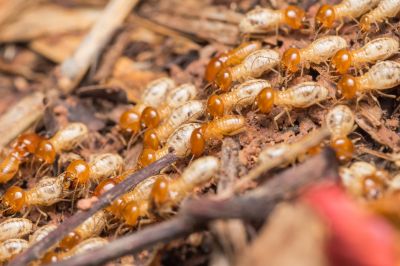
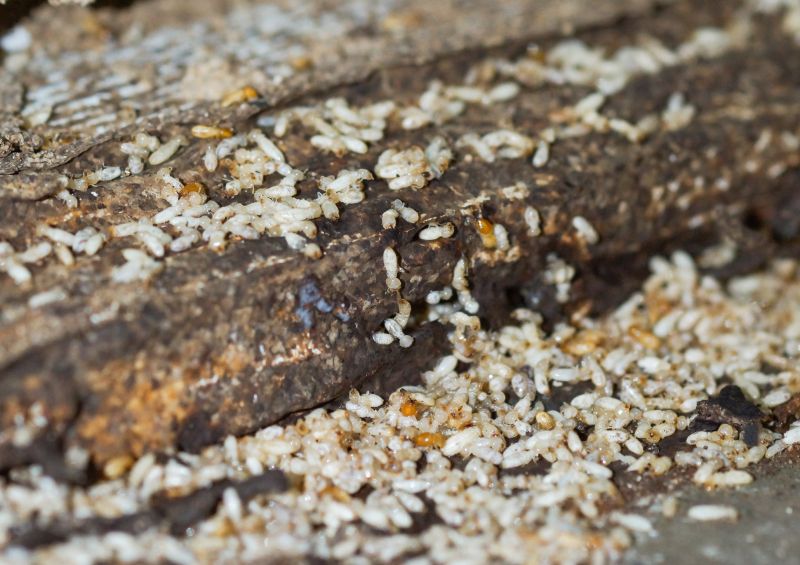

Termite inspection services involve a thorough assessment of a property to identify the presence of termites or signs of previous infestations. Trained inspectors examine key areas such as foundations, crawl spaces, attics, and wooden structures to detect damage or evidence like mud tubes, discarded wings, or hollowed wood. This process helps homeowners understand whether their property is at risk or already affected by termites, enabling them to make informed decisions about treatment or preventative measures before significant damage occurs.
These services are essential for addressing common problems associated with termite activity, such as structural damage, compromised wooden elements, and potential safety hazards. Termites can silently cause extensive harm by eating through wood, drywall, and other cellulose-based materials, often without obvious signs until the damage becomes severe. Early detection through professional inspections can prevent costly repairs, protect the integrity of the property, and maintain its value by catching infestations before they spread.
Properties that typically benefit from termite inspections include existing homes, especially those in areas with known termite activity, as well as newly purchased or renovated properties. Residential buildings, including single-family homes, multi-family dwellings, and condominiums, are common candidates for inspections. Additionally, properties with wooden decks, fences, or other wooden structures are often checked to prevent or address ongoing termite issues. Regular inspections are recommended for homeowners looking to safeguard their investment and ensure their property remains free from pest-related damage.
Homeowners should consider scheduling a termite inspection if they notice signs such as discarded wings near windows, hollow-sounding wood, or mud tubes along exterior walls. Even in the absence of visible damage, routine inspections can serve as a preventative measure, especially in regions where termites are prevalent. By connecting with local service providers, homeowners can find experienced professionals who can accurately assess their property’s condition, identify potential problems early, and recommend appropriate treatment options to keep their homes protected.
The overview below groups typical Termite Inspection Service projects into broad ranges so you can see how smaller, mid-sized, and larger jobs often compare in your area.
In many markets, a large share of routine jobs stays in the lower and middle ranges, while only a smaller percentage of projects moves into the highest bands when the work is more complex or site conditions are harder than average.
Smaller Repairs - routine inspections or minor treatments typically cost between $250 and $600. Many local contractors handle these smaller jobs within this range, though prices can vary based on the property's size and location.
Localized Treatment - for targeted treatments in specific areas, costs generally fall between $600 and $1,200. Larger, more complex projects may reach $1,500 or more, but most fall within this middle range.
Full Property Inspection - comprehensive inspections across an entire property usually cost between $300 and $700. Many projects land in this range, with fewer reaching into the higher tiers for extensive assessments.
Full Replacement or Major Repairs - complete termite damage repairs or full property replacements can exceed $5,000, though these are less common and depend heavily on the extent of the damage and property size.
Actual totals will depend on details like access to the work area, the scope of the project, and the materials selected, so use these as general starting points rather than exact figures.
Termite Treatment Planning - professionals who develop detailed inspection and treatment plans for termite control often use similar assessment skills as those in general pest inspections.
Wood Damage Inspection - contractors who identify and evaluate damage caused by pests or wood-boring insects share expertise in recognizing signs of infestation and structural issues.
Pest Control Assessments - service providers conducting comprehensive pest assessments utilize inspection techniques comparable to termite detection methods.
Structural Damage Evaluation - experts who assess damage to building structures for pests or other causes rely on planning and inspection skills similar to termite inspection services.
Moisture and Soil Analysis - specialists who analyze soil or moisture conditions to prevent pest infestations often employ tools and planning strategies akin to termite risk assessments.
Infestation Detection Services - providers who locate and identify various pest infestations use inspection tools and planning approaches similar to those used in termite inspections.
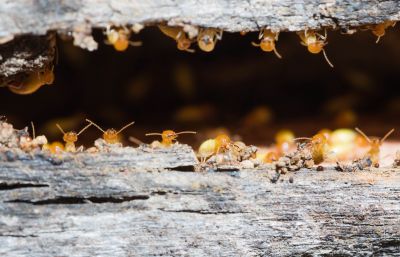
When comparing service providers for termite inspection services, it is important to consider their experience with similar projects. Homeowners should look for local contractors who have a proven track record in conducting thorough inspections in residential settings comparable to their own. An experienced provider is more likely to understand the common signs of termite activity, know how to identify potential issues early, and apply effective inspection techniques. This familiarity can help ensure that the inspection is comprehensive and accurate, reducing the risk of overlooking any problem areas.
Clear written expectations are another key factor when evaluating local pros. Homeowners are encouraged to seek providers who can offer detailed descriptions of what their inspection will include, what areas will be examined, and what homeowners can expect from the service. Having this information in writing helps prevent misunderstandings and ensures that both parties are aligned on the scope of work. It also provides a reference point for any follow-up questions or concerns, fostering a transparent and professional relationship.
Reputable references and good communication are essential qualities to consider. Service providers who can supply references from previous clients or showcase positive feedback are often more reliable. Additionally, effective communication-whether through prompt responses or clear explanations-can make the process smoother and more comfortable for homeowners. While the site introduces homeowners to local options, it does not perform the work itself; rather, it helps connect individuals with trusted local contractors who can handle the inspection professionally and reliably.
Property owners use Termite Inspection Service services for practical projects around their homes and businesses. This guide focuses on everyday jobs and straightforward project options.
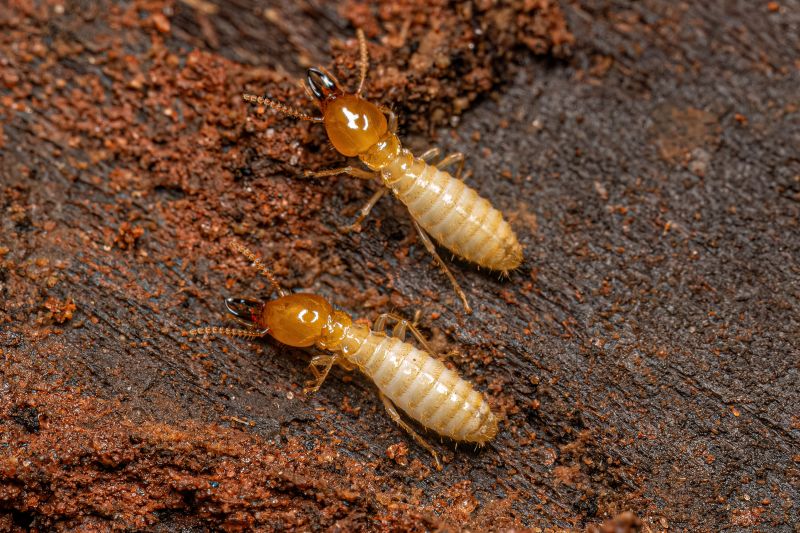
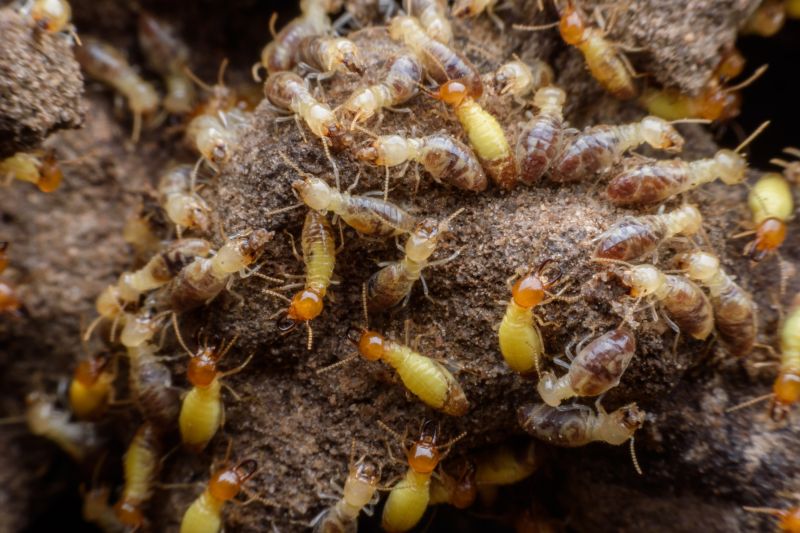
Termite inspection services are commonly sought after by property owners who notice signs of potential infestations, such as wood damage or mud tubes around their homes. Homeowners preparing to sell a property may also look for professional inspections to ensure the structure is free of termites before listing. Additionally, those who have recently purchased a home or have experienced previous termite issues might schedule regular inspections to prevent future damage and maintain the property's value.
Local contractors offering termite inspection services are often called upon during routine maintenance or when there are concerns about pest activity. Property owners might request an inspection after noticing unusual wood sounds or damage, or if they want peace of mind that their home is protected from unseen threats. These service providers can help identify early signs of infestation, allowing property owners to take timely action and avoid costly repairs down the line.
What is involved in a termite inspection? A termite inspection typically includes a thorough visual examination of the property’s interior and exterior to identify signs of termite activity or damage. Local contractors use specialized tools and techniques to detect hidden infestations and assess the extent of any issues.
How often should I have a termite inspection done? It is recommended to schedule a termite inspection at least once a year to help catch any infestations early and maintain the property's protection against termites.
What are common signs of termite activity? Signs of termite activity may include mud tubes on walls or foundations, discarded wings, hollow-sounding wood, and visible damage to wooden structures or furniture.
Can a termite inspection prevent future infestations? While inspections help identify existing issues, they also enable local service providers to recommend preventative measures to reduce the risk of future termite problems.
How do local contractors perform termite inspections? Contractors conduct inspections by examining accessible areas like basements, crawl spaces, and attics, as well as the exterior foundation, looking for signs of termites or damage. They may also use moisture meters or other tools to assist in detection.
Preventive Maintenance Planning - Regular termite inspections can help property owners identify early signs of infestation and plan proactive treatments to protect their investment.
Pre-Purchase Property Checks - Homebuyers can use termite inspection services to assess the condition of a property before completing a purchase, ensuring there are no hidden pest issues.
Post-Construction Assessments - After building or renovation projects, property owners can schedule inspections to confirm that new structures are free of termite activity or damage.
Ongoing Pest Management - Property managers and homeowners can coordinate with local contractors for periodic inspections to maintain a pest-free environment.
If you are thinking about Termite Inspection Service for a property, this guide is meant to help you understand the work, the typical project types, and how different options might fit your plans.
When you are ready, you can use the quote form on this page to share a few details about your project. From there, local pros can review the basics and respond with options that match what you have in mind.